
Step-by-Step Guide to Car Safety Features
Car safety features are designed to protect drivers, passengers, and pedestrians from accidents and injuries. Modern vehicles come equipped with advanced technologies that improve control, reduce collision risks, and enhance overall driving safety. Understanding these features helps car owners make safer driving decisions and maintain their vehicles properly.
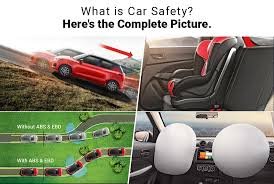
Why Car Safety Features Are Important
Safety features not only reduce accident risks but also improve confidence while driving. They provide better vehicle control, assist during emergencies, and protect occupants in case of collisions.
Step-by-Step Guide to Important Car Safety Features
1. Seat Belts
Seat belts are the most basic and essential safety feature in every car.
Benefits:
- Reduce injury during accidents
- Keep passengers secure
- Prevent sudden impact movement
2. Airbags
Airbags protect passengers during a collision by reducing the force of impact.
Common types include:
- Front airbags
- Side airbags
- Curtain airbags
3. Anti-Lock Braking System (ABS)
ABS prevents wheels from locking during sudden braking.
Advantages:
- Improves vehicle control
- Reduces skidding
- Enhances emergency braking performance
4. Electronic Stability Control (ESC)
ESC helps maintain vehicle stability during sharp turns or slippery road conditions.
5. Rearview Camera
A rearview camera improves visibility while reversing and helps avoid obstacles.
6. Parking Sensors
Parking sensors alert drivers about nearby objects while parking.
7. Tire Pressure Monitoring System (TPMS)
TPMS warns drivers when tire pressure becomes too low, improving safety and fuel efficiency.
8. Blind Spot Monitoring
This feature alerts drivers about vehicles in hard-to-see areas beside the car.
Final Thoughts
Car safety features play a critical role in preventing accidents and protecting lives. Understanding how these systems work allows car owners to drive more safely and confidently. Regularly checking and maintaining safety features ensures maximum protection on every journey. Investing in vehicle safety is not optional — it is a responsibility for every car owner.